We Use CookiesWe use cookies to enhance the security, performance, functionality and for analytical and promotional activities. By continuing to browse this site you are agreeing to our privacy policy

1 Best Generac RV Generators 2026 in the United States
How do we rank products for you?

Our technology thoroughly searches through the online shopping world, reviewing hundreds of sites. We then process and analyze this information, updating in real-time to bring you the latest top-rated products. This way, you always get the best and most current options available.

headphones-stars

Our Top Picks

#1

Winner

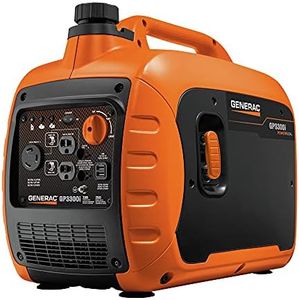
Generac 7154 GP3300i 3,300-Watt Gas-Powered Portable Inverter Generator - Compact and Lightweight Design with Parallel Capability - USB Ports for Mobile Device Charging - CARB Compliant

Rating
10.0
Chosen by1,147
Noise Level
Size and Weight
Run Time

Most important from
525 reviews

Noise Level
This generator is incredibly quiet, even under full load, making it perfect for noise-sensitive environments.
Size and Weight
Despite its weight, the generator is portable, especially with a dolly, and starts on the first pull.
Run Time
The fuel efficiency is impressive, running nearly 8 hours on a single gallon of gas.
Starting Mechanism
Despite its weight, the generator is portable, especially with a dolly, and starts on the first pull.

The Generac 7154 GP3300i Generator is a solid choice for RV enthusiasts looking for a reliable and portable power source. With a starting wattage of 3300 watts and a running wattage of 2500 watts, it provides sufficient power for most camping needs. It uses gasoline, which is easily accessible, and includes a 1.06-gallon tank, which helps in moderate run times. One of its standout features is the TruePower Technology that ensures clean power, making it safe for sensitive electronics. Additionally, the generator operates quietly, especially in Economy Mode, making it a good option for noise-sensitive environments like campsites.

At 59.5 pounds, it is relatively lightweight and portable, with a compact design and built-in handle for easy transportation. The generator also includes convenient features such as LED indicators for low oil, overload, and readiness, plus USB ports for mobile device charging. It’s CARB compliant, making it suitable for use in all 50 states. However, the generator's fuel tank might be slightly small for extended use without refueling, and while the 59.5-pound weight is manageable, it may still be a bit heavy for some users. Nevertheless, the electric start system adds convenience. Despite some minor drawbacks, the Generac 7154 GP3300i is a versatile, reliable, and user-friendly generator that’s well-suited for RV trips and outdoor activities.

Rating
10.0
Chosen by1,147
Noise Level
Size and Weight
Run Time

Most important from
525 reviews

Noise Level
This generator is incredibly quiet, even under full load, making it perfect for noise-sensitive environments.
Size and Weight
Despite its weight, the generator is portable, especially with a dolly, and starts on the first pull.
Run Time
The fuel efficiency is impressive, running nearly 8 hours on a single gallon of gas.
Starting Mechanism
Despite its weight, the generator is portable, especially with a dolly, and starts on the first pull.

Buying Guide for the Best Generac RV Generators

Choosing the right Generac RV generator can significantly enhance your travel experience by providing reliable power for your appliances and devices. When selecting a generator, it's important to consider several key specifications to ensure it meets your power needs, operates efficiently, and fits within your RV's space and weight constraints. Understanding these specifications will help you make an informed decision and select the best generator for your RV lifestyle.
Power Output (Wattage)Power output, measured in watts, indicates how much electricity the generator can produce. This is crucial because it determines what appliances and devices you can run simultaneously. Generators typically range from 2,000 to 12,000 watts. For light use, such as charging devices and running small appliances, a generator with 2,000 to 4,000 watts may suffice. For more demanding needs, like running an air conditioner or multiple appliances, you might need 5,000 to 7,000 watts or more. Assess your power needs by listing the wattage requirements of your essential devices and choosing a generator that can handle the total load.
Fuel TypeGenerators can run on various fuel types, including gasoline, propane, and diesel. The fuel type affects the generator's efficiency, cost of operation, and availability of fuel. Gasoline generators are common and easy to refuel but may require more frequent maintenance. Propane generators are cleaner and have a longer shelf life but may be less efficient. Diesel generators are fuel-efficient and durable but can be noisier and more expensive. Consider your travel habits and fuel availability when choosing the fuel type that best suits your needs.
Noise LevelNoise level, measured in decibels (dB), is important for comfort and compliance with campground regulations. Generators can range from 50 dB (quiet) to over 80 dB (loud). A quieter generator (50-60 dB) is ideal for minimizing disturbance, especially in quiet campgrounds or when you need to run the generator at night. If noise is less of a concern, you might opt for a more powerful but louder generator. Consider where and how you plan to use the generator to determine the acceptable noise level for your situation.
Size and WeightThe size and weight of the generator affect its portability and storage. RV generators can vary significantly in these aspects, with smaller models weighing around 50 pounds and larger ones exceeding 200 pounds. A compact and lightweight generator is easier to transport and store but may offer less power. Conversely, a larger generator provides more power but requires more space and effort to move. Evaluate your RV's storage capacity and your ability to handle the generator's weight when making your choice.
Run TimeRun time refers to how long the generator can operate on a full tank of fuel. This is important for planning your power usage and refueling needs. Generators with longer run times (8-12 hours) are ideal for extended use without frequent refueling, which is convenient for overnight use or long days off-grid. Shorter run times (4-6 hours) may be sufficient for occasional use or shorter trips. Consider your typical usage patterns and how often you want to refuel when selecting a generator with an appropriate run time.
Starting MechanismThe starting mechanism determines how you start the generator. Common options include manual recoil start, electric start, and remote start. Manual recoil start is reliable but requires physical effort. Electric start is more convenient, allowing you to start the generator with the push of a button. Remote start offers the highest convenience, enabling you to start the generator from a distance. Choose a starting mechanism based on your preference for ease of use and convenience.

FAQ